
Boost Online Relevance with an AI SEO Agency
July 17, 2025



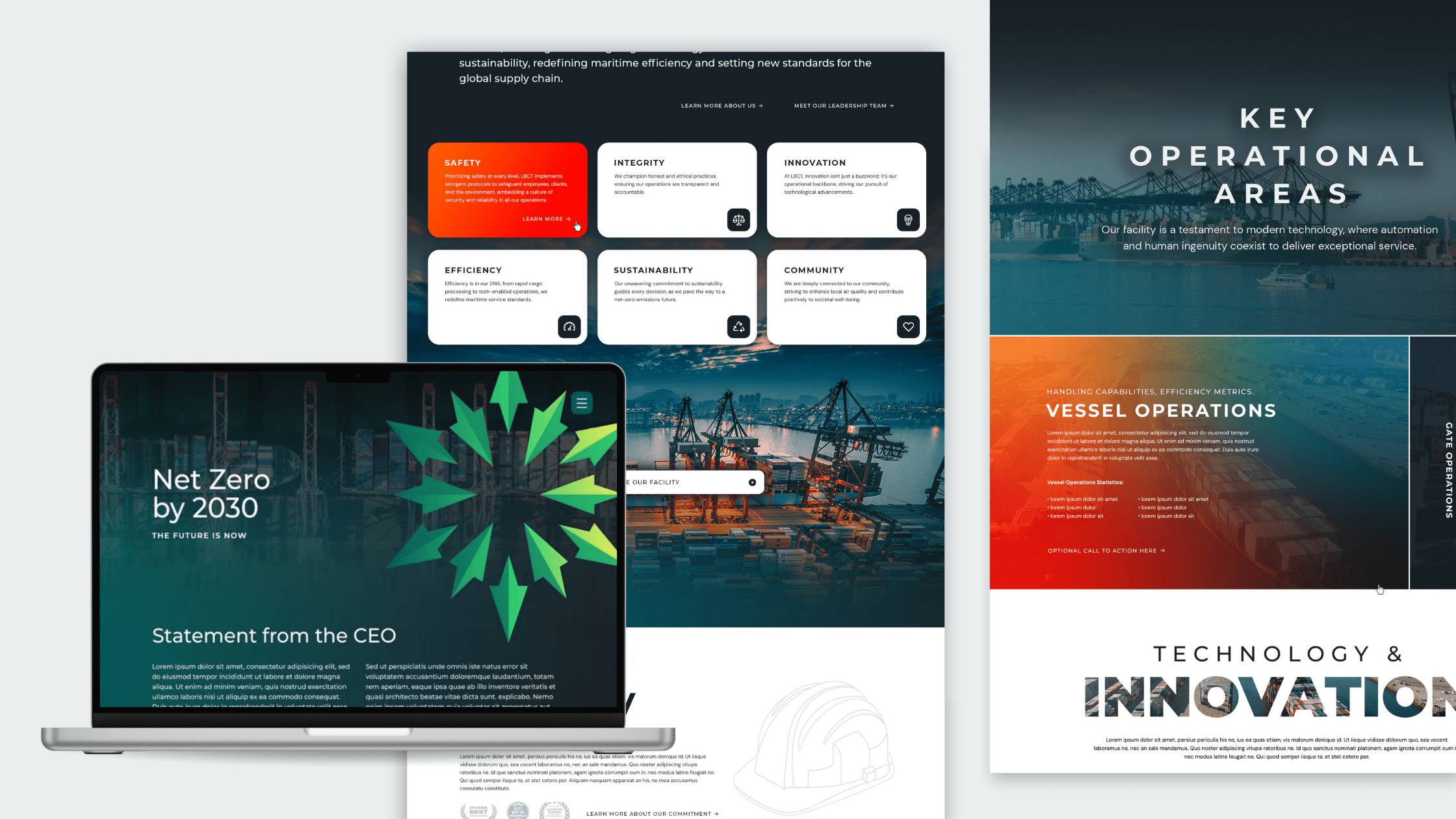
A high-performance website isn’t defined solely by how fast pages load. Online presence must deliver measurable results, be future-ready for AI search, and adaptable.
Keep reading to break down what performance means in a user-centric context and how strategic planning adds tangible value to your online presence.
Historically, website performance was synonymous with loading times and server response speeds. While technical performance remains foundational, a true high-performance website in 2026 must meet broader business objectives that reflect both human behavior and machine-driven discovery. From user experience to AI-search readiness, performance now encompasses the full lifecycle of digital interaction.
User experience is one of the most critical factors in how visitors perceive and interact with your brand. A high-performance site should:
By focusing on behavioral cues and removing unnecessary steps, high-performance sites maximize user engagement and lead generation.
Whether that’s filling out a form, completing a purchase, booking a consult, or subscribing to communications, conversion optimization is the bridge between traffic and business impact. This involves:
In 2026, where AI-assisted technologies shape user decisions, aligning your conversion pathways with how users find and interact with your content is essential.
Search engine optimization (SEO) has evolved significantly in the past few years. With the advent of generative AI and AI-driven discovery platforms, websites must now compete not just for traditional search result rankings, but also for AI visibility across systems like AI overviews, language models, virtual assistants, and answer engines.
A high-performance website incorporates:
Because AI increasingly serves as a default discovery path, sites that align with these paradigms gain better visibility and more qualified traffic.
Online security is a core expectation for both visitors and search engines. In fact, secure sites benefit from improved trust, reduced risk of downtime, and better performance in search results. A modern, high-performance website goes beyond HTTPS and includes:
Security investments today protect your reputation and underpin reliability users expect.
A truly high-performing website scales with your business without requiring a complete redesign with every change in demand. Scalability means:
Organizations that plan for scalability avoid performance bottlenecks and ensure their online presence evolves alongside their strategic goals.
Behind every high-performance website is a data strategy that tracks both technical and business outcomes. Relevant performance metrics include:
High-performance sites use analytics to inform decisions and refine experiences.
JLB brings more than 20 years of experience in web design, development, SEO, digital marketing, and total support to businesses aiming to perform at the highest level on and off the web. Our comprehensive in-house services span modern UX design, SEO and AI search readiness, managed infrastructure, security oversight, and ongoing support.
Whether you’re planning a new site launch or upgrading, partnering with us at JLB can make the difference between static online presence and strategic growth.
Website design services & digital marketing tailored for user experience and
attracting the right traffic for you with support-that-matters!