Boost Online Relevance with an AI SEO Agency
July 17, 2025



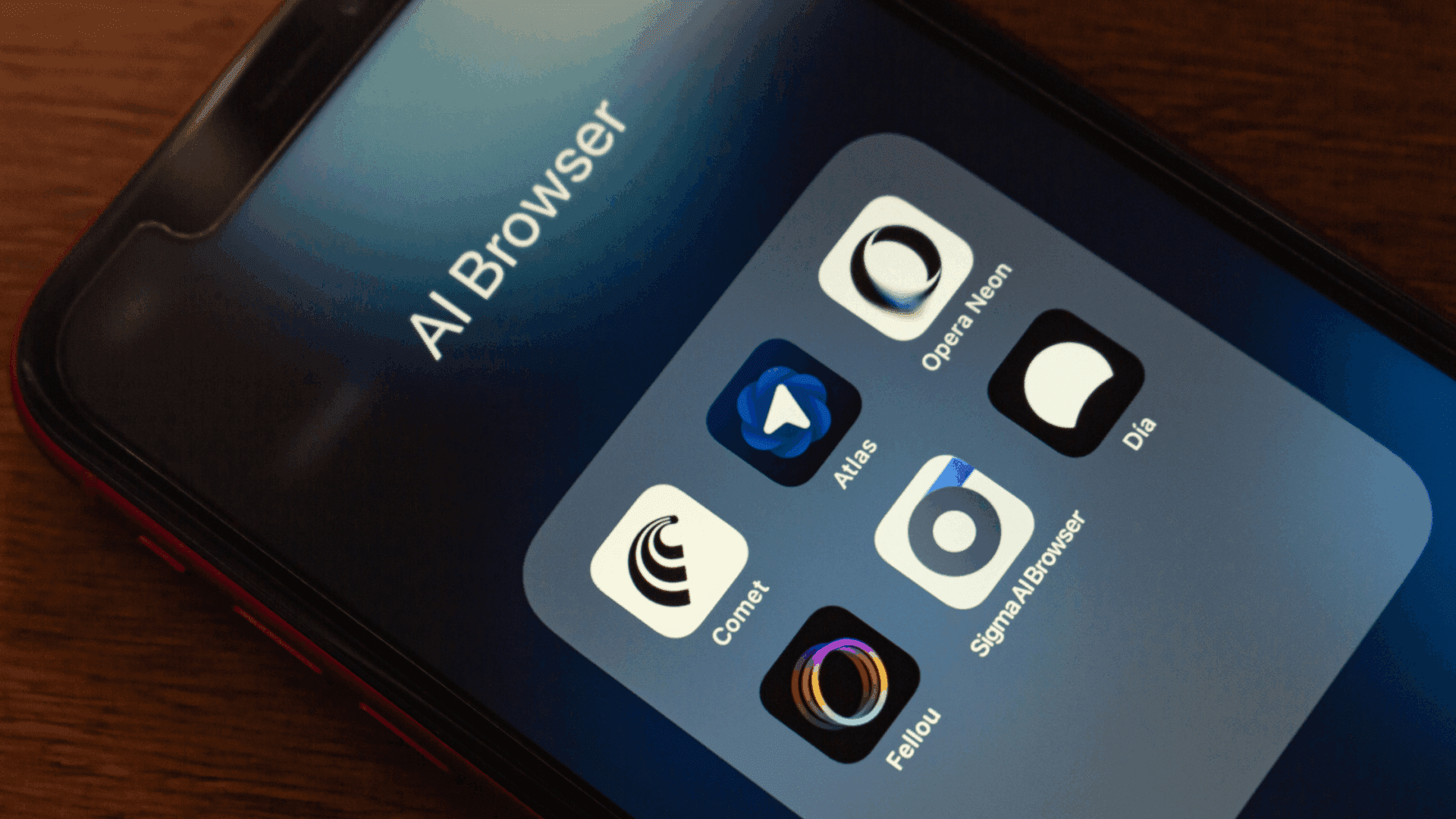
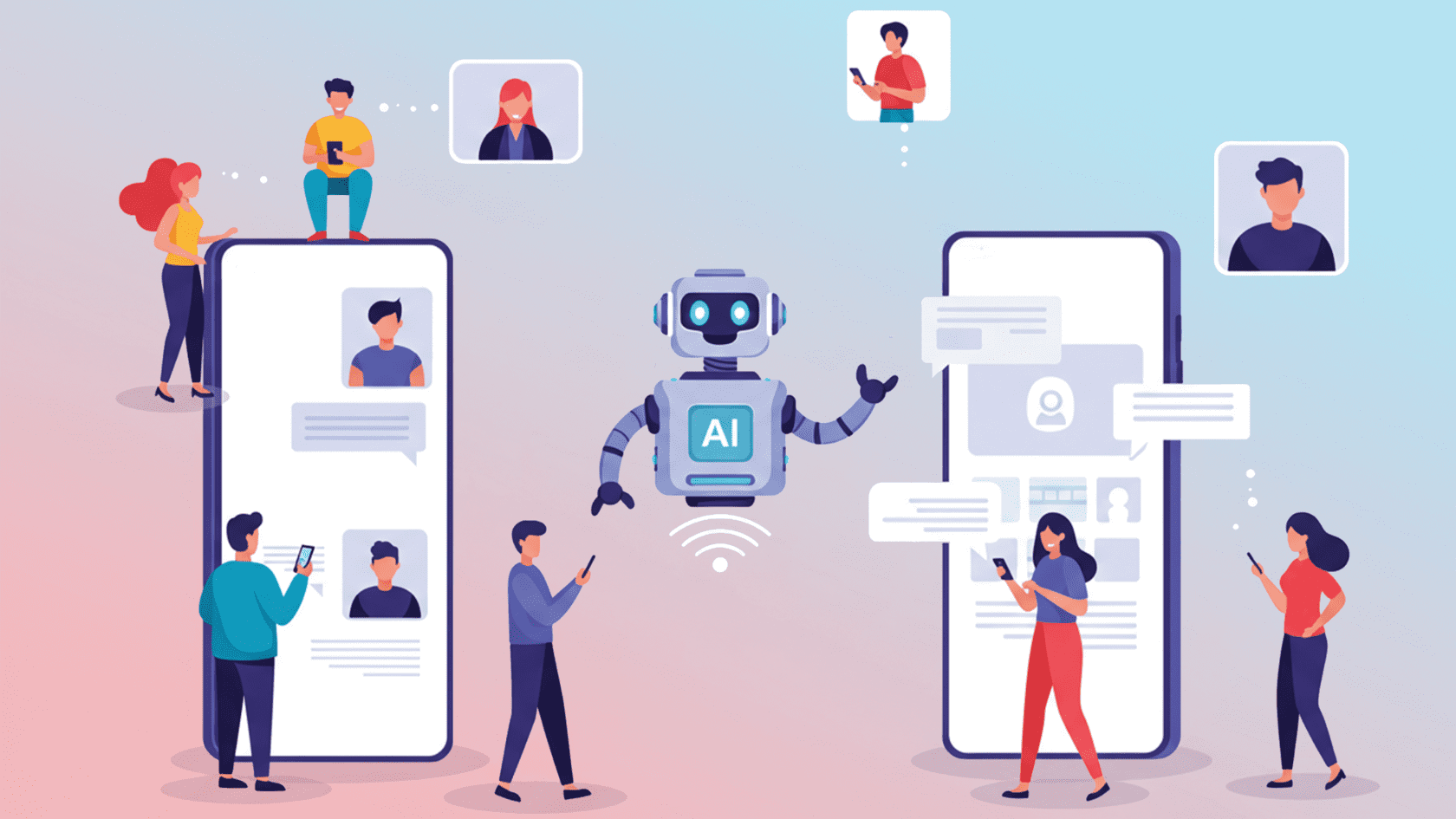
In 2026, the way people search online looks very different than it did just a few years ago. Instead of typing short keywords into a traditional search engine and sorting through pages of results, users are increasingly turning to AI-powered browsers that summarize, organize, and personalize information instantly.
Tools like Perplexity and Arc Search use artificial intelligence to understand natural language and deliver clear, contextual answers, often pulling insights from multiple sources at once. Rather than simply displaying web pages, these platforms interpret intent and present information in a conversational, streamlined format.
This shift is changing how users discover businesses online and forcing brands to rethink traditional SEO and digital marketing strategies.
For decades, businesses optimized for one thing: ranking high on Google. But in 2025, that landscape looks very different. AI browsers are transforming how people find information, and that means businesses must rethink how they attract visibility online.
Users are no longer searching with fragmented keyword phrases. Instead of typing something like “best coffee shop Louisville,” they ask full questions such as “Where is the best place in Louisville to work remotely with good coffee?”
AI browsers are designed to understand these natural, conversational queries. For businesses, this means content must be optimized for intent and context, not just keywords.
AI browsers often provide summarized answers directly within the search experience. In many cases, users get what they need without clicking through to a website.
While this reduces traditional traffic, it increases the importance of brand visibility. Businesses that are cited, mentioned, or summarized by AI tools gain exposure even when users do not visit their site directly.
AI browsers frequently cite their sources. Websites that are well structured, authoritative, and trustworthy are more likely to be referenced.
Clear messaging, consistent branding, and accurate information all help signal credibility to AI-driven search platforms.
AI browsers combine location data, reviews, business listings, and online sentiment to recommend nearby businesses.
For Kentucky companies, local SEO now goes beyond listings alone. Storytelling, customer engagement, and reputation management play a larger role in how AI tools decide which businesses to surface.
Traditional search engines focus on indexing and ranking web pages. AI browsers focus on understanding and synthesis.
Rather than offering a list of links, they aim to provide a single, complete answer that feels human and helpful. These platforms also learn from user behavior, refining future responses based on preferences, past searches, and context.
The result is a more personalized and efficient search experience that prioritizes relevance and value over volume.
For Kentucky businesses, adapting to AI-driven search requires more than traditional SEO. It demands an understanding of how AI interprets, summarizes, and ranks your content. Here’s how local businesses can stay ahead:
AI browsers reward content that is clear, helpful, and written for real people. Businesses should focus on answering common questions, explaining their services clearly, and demonstrating expertise.
Keyword stuffing is no longer effective. Content should feel like a conversation, not a checklist.
Voice search and AI-driven queries sound like natural speech. Updating website copy to include question-based headings and conversational phrasing helps AI platforms understand relevance.
For example, instead of only targeting “Louisville web design,” businesses can include phrases like “What makes a great website for small businesses in Louisville?”
Accurate local listings, consistent citations, and up-to-date business information remain critical. AI browsers rely on this data to verify legitimacy.
Encouraging reviews, maintaining correct hours, and using locally relevant language all help improve visibility.
AI platforms rely on structure to interpret content correctly. Schema markup, descriptive alt text, and accessible site design improve both machine understanding and user experience.
These elements also support compliance and inclusivity.
As AI browsers summarize information from multiple sources, brand authority becomes increasingly important.
When your business is consistently mentioned across reputable platforms, AI tools learn to trust your brand. Thought leadership, strong content, and social proof all contribute to this visibility.
Adapting to AI-driven search requires more than small SEO tweaks. It takes a forward-looking digital strategy.
At JLB, we help Kentucky businesses stay visible, competitive, and relevant as search continues to evolve. From AI-optimized websites to content designed for both human readers and intelligent systems, our team builds strategies that prepare brands for what comes next.
Ready to evolve your digital presence for 2026 and beyond? Contact JLB to start building a future-ready digital strategy.
Website design services & digital marketing tailored for user experience and
attracting the right traffic for you with support-that-matters!