Best Digital Marketing Agencies in Nashville & Middle Tennessee (2026)
August 11, 2026



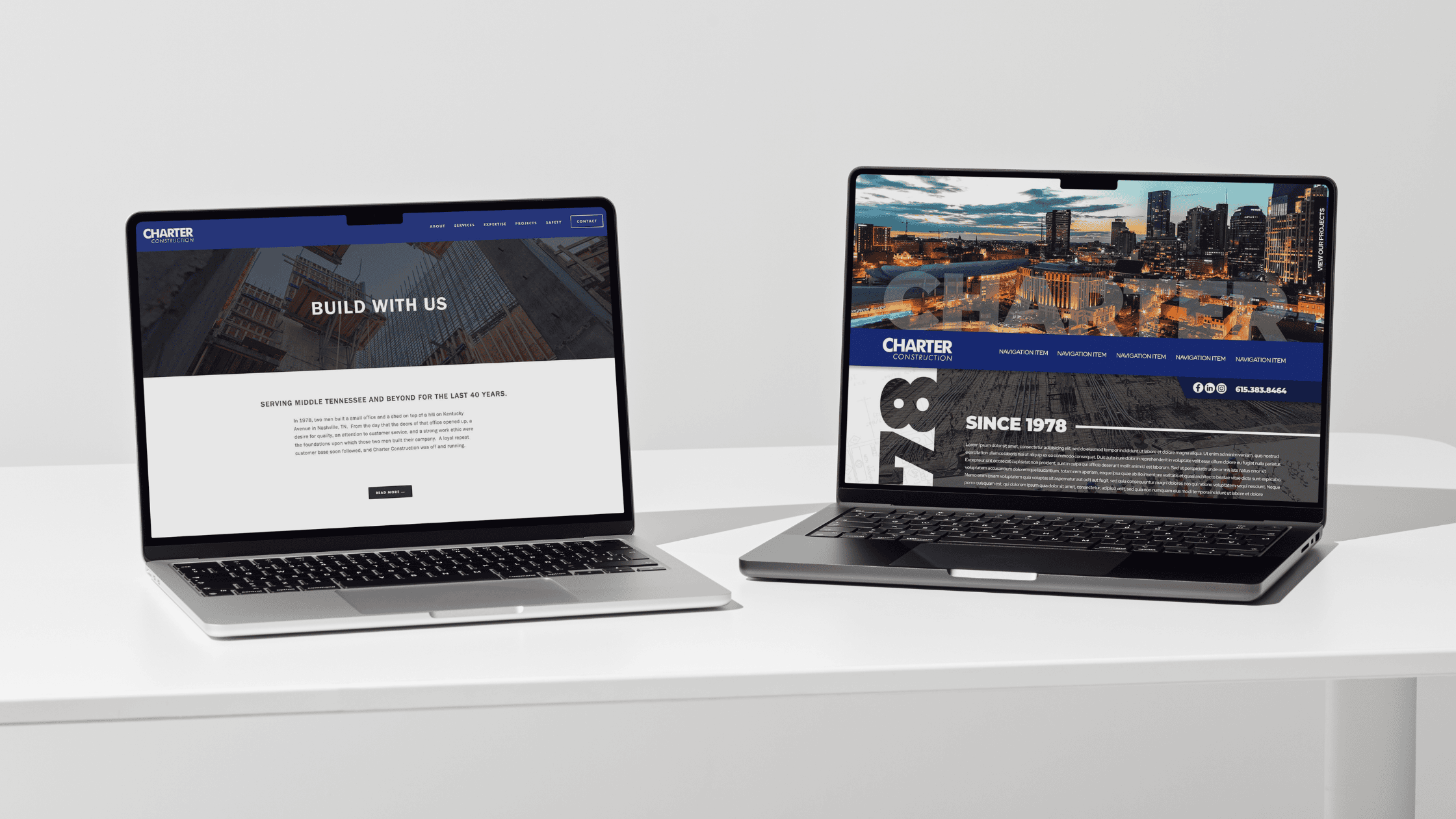
Many Chattanooga business owners assume that if their marketing isn’t producing leads, they simply need to spend more. They increase their advertising budget, publish more content, invest in SEO, or launch social media campaigns, only to see disappointing results. While every marketing strategy plays an important role, they all rely on one central asset: your website.
Your website is where prospective customers evaluate your business, compare you to competitors, and decide whether to contact you. If visitors become confused, cannot find the information they need, or struggle to take the next step, even the best marketing campaigns will underperform.
Before investing more money into marketing, it’s worth asking an important question: Is your website actually prepared to convert the traffic you’re sending to it?
Every digital marketing effort eventually directs people to your website.
Whether someone discovers your business through Google, social media, an email campaign, an online advertisement, AI search results, or a referral, they almost always visit your website before making a decision. That means your website serves as the bridge between attracting visitors and turning them into customers.
A well-built website supports SEO by organizing content clearly for search engines. It improves paid advertising by providing relevant landing pages that match campaign messaging. It strengthens content marketing by offering valuable resources that answer customer questions. It also gives prospects confidence that your business is established and trustworthy.
Without that strong foundation, marketing efforts lose momentum before they have an opportunity to succeed. Effective web design, development, marketing, and ongoing support work together rather than operating as separate services.
One of the biggest reasons websites fail is surprisingly simple: visitors cannot quickly understand what the company actually does.
Most website visitors make judgments within seconds. If your homepage is filled with vague slogans, industry jargon, or outdated messaging, potential customers may leave before learning about your services.
Your website should immediately communicate who you serve, what you offer, why your business is different, and how someone can get started.
For Chattanooga businesses, this clarity is especially important because local customers often compare several companies before reaching out. A website that communicates value quickly gives visitors confidence to continue exploring rather than returning to search results.
Every service page should reinforce your expertise while helping visitors determine whether your company is the right fit for their needs.
Modern consumers conduct extensive research before contacting a business.
They want to understand your services, learn about your process, review pricing information when appropriate, and feel comfortable working with your company before making that first phone call or completing a contact form.
If your website only provides a short overview of your services, visitors may leave to continue researching elsewhere.
Helpful websites answer common questions before they’re asked. Service pages explain what customers can expect. Frequently asked questions address concerns. Educational blog articles provide useful insights while demonstrating expertise.
When visitors consistently find valuable information on your website, they begin building trust in your business. That trust often leads to higher conversion rates because customers feel informed rather than uncertain.
Even interested visitors sometimes fail to become customers because they are unsure what to do next.
Every important page on your website should provide a clear path forward.
That action may be requesting a quote, scheduling a consultation, calling your office, filling out a contact form, or downloading additional information. Whatever action you want visitors to take, it should be obvious and easy to complete.
Calls to action should be visible throughout the user experience instead of appearing only at the bottom of a page. Navigation should remain intuitive, forms should be simple, and contact information should always be easy to locate.
A beautiful website that lacks clear conversion paths often generates traffic without producing meaningful business results.
Today’s customers expect websites to perform well on every device.
If your website loads slowly, displays poorly on mobile phones, contains broken links, or is difficult to navigate, many visitors will simply leave.
Search engines also evaluate technical performance as part of their ranking considerations. Mobile responsiveness, page speed, accessibility, and overall user experience all contribute to both customer satisfaction and search visibility.
Accessibility is another important consideration. Websites that are easier for all users to navigate create better experiences while helping businesses reach a broader audience.
Improving usability benefits both your customers and your marketing investment because more visitors stay engaged long enough to convert.
People rarely choose a business based on design alone.
Instead, they look for evidence that your company is experienced, reliable, and capable of delivering results.
Trust signals help provide that confidence.
Customer reviews demonstrate satisfaction from previous clients. Certifications, awards, licenses, and professional memberships reinforce credibility. Project galleries, case studies, testimonials, and years of experience all help reduce uncertainty for prospective customers.
Outdated websites often overlook these important elements, leaving visitors without the reassurance they need before making contact.
When trust is established early, marketing campaigns become significantly more effective because visitors already feel confident moving forward.
Successful marketing requires more than generating traffic. You also need to understand what happens after visitors arrive.
Without analytics, call tracking, or form tracking, it’s difficult to determine which campaigns are producing qualified leads and which areas of your website need improvement.
Tracking tools provide valuable insights into visitor behavior. They show where users enter your website, which pages perform well, where people leave, and which marketing channels generate conversions.
These insights allow businesses to make informed decisions instead of relying on assumptions.
When your website accurately measures customer activity, every marketing dollar becomes easier to evaluate and optimize.
Paid advertising often struggles because businesses send every visitor to the homepage.
Instead, each advertising campaign should direct users to a landing page specifically designed around the advertisement they clicked.
If someone searches for a specific service, the landing page should focus entirely on that service instead of requiring visitors to search through multiple navigation menus.
Message consistency builds confidence. When advertisements, keywords, headlines, and landing page content all align, visitors are more likely to remain engaged and complete the desired action.
This alignment improves both conversion rates and advertising return on investment.
Many established Chattanooga businesses have websites that were built several years ago. Although they may still function, they often no longer support modern marketing expectations.
If your website receives traffic but generates few inquiries, if visitors spend very little time exploring your pages, if your bounce rate remains high, or if customers frequently call with questions that should already be answered online, your website may be limiting your results.
Similarly, if your marketing team consistently drives visitors to your website without corresponding growth in leads, your website deserves careful evaluation before increasing your advertising budget.
Improving messaging, navigation, content structure, mobile performance, trust signals, and conversion paths often produces better returns than simply purchasing additional traffic.
Marketing strategies perform best when they are built upon a website designed to educate visitors, build trust, and encourage action. Investing more in SEO, paid advertising, social media, or content marketing cannot fully overcome a website that confuses users or creates unnecessary obstacles.
JLB helps Chattanooga businesses develop websites that support every aspect of digital marketing through thoughtful design, clear messaging, strong user experiences, technical performance, and integrated marketing strategies. By strengthening the website first, businesses create a foundation that allows every future marketing investment to produce stronger, more measurable results. Whether you’re planning a redesign or simply evaluating your current website, building that solid foundation is often the first step toward better long-term growth.
Contact us at JLB to learn more.
Website design services & digital marketing tailored for user experience and
attracting the right traffic for you with support-that-matters!